 pl
 nl
 fr
 de
 es
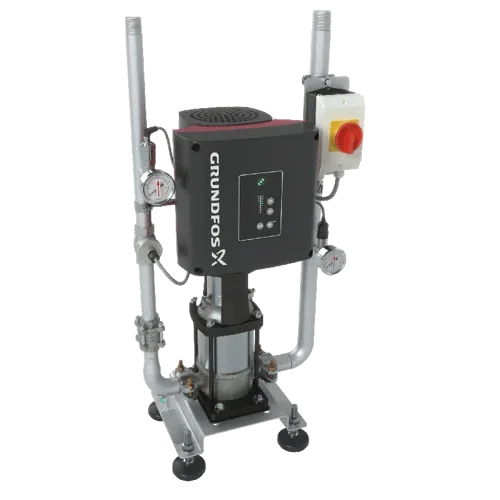
Booster Units

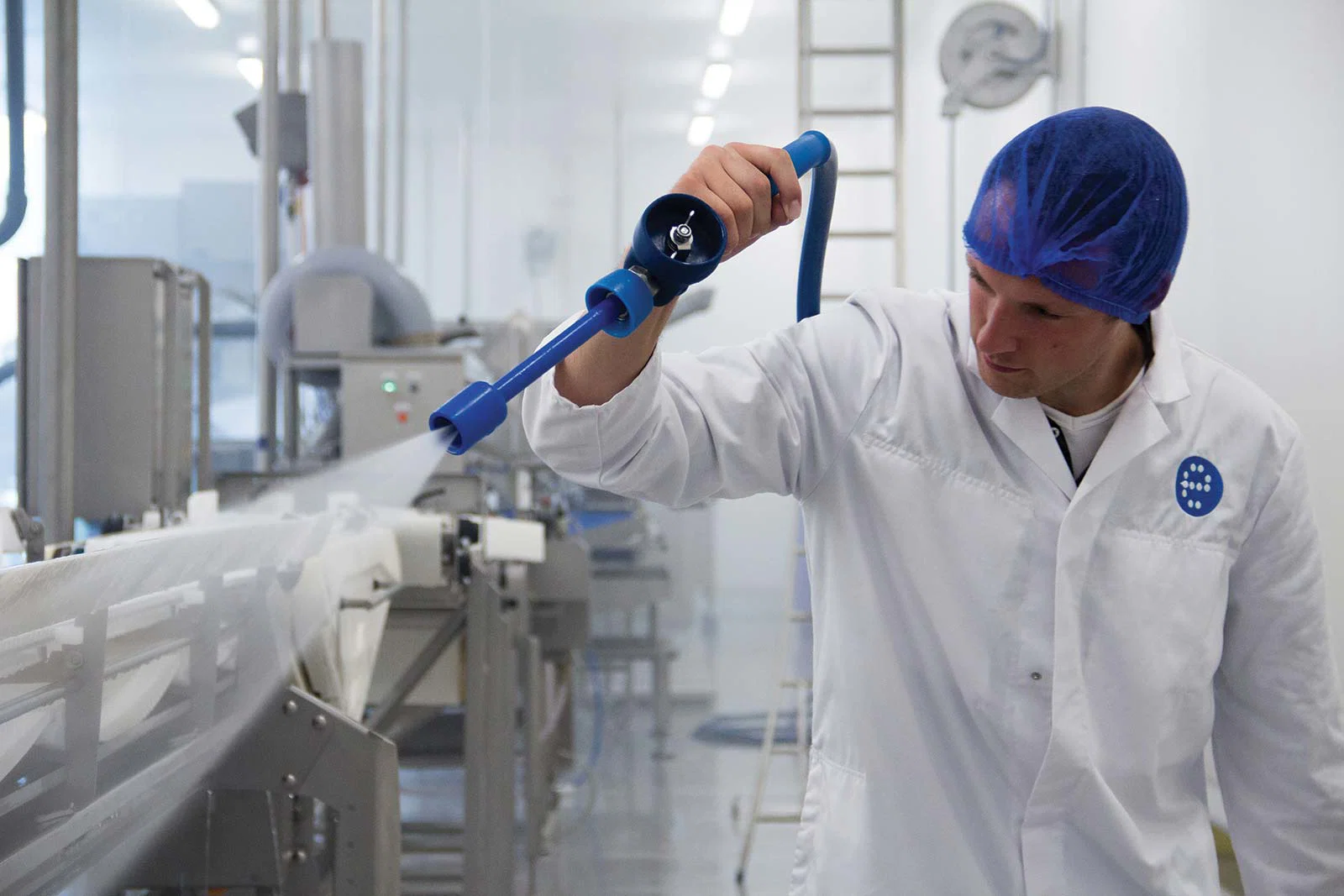
Manual cleaning, in other words cleaning by hand, involves cleaning equipment, tools and surfaces without resorting to fully automated cleaning systems. In an industrial context, manual cleaning remains crucial for specific tasks requiring precision, flexibility and the cleaning of hard-to-reach places. Although more and more fixed and automated solutions are available, manual cleaning still plays an important role in sectors where automation is less suitable. Open our brochure or selection plan below to read more.
A centralised configuration makes use of a single centralised system for cleaning several production areas, while a decentralised configuration uses separate systems to clean specific areas. Both methods have their pros and cons, depending on the existing infrastructure and the specific cleaning needs of the business.
A centralised configuration can be cost-effective for large companies with lots of cleaning points, while a decentralised configuration offers greater flexibility for smaller or more specialised cleaning processes. When deciding which of these two methods to use, remember to take your company’s infrastructure and your specific cleaning needs into account.
Pros and cons: A centralised configuration can be cost-effective for large companies, while a decentralised configuration offers greater flexibility for smaller or more specialised operations.
Existing building / new building: The choice between a centralised and decentralised configuration can also depend on the age of the business premises. A centralised configuration can be integrated into a new building more easily, while a decentralised configuration might be more practical in existing buildings.
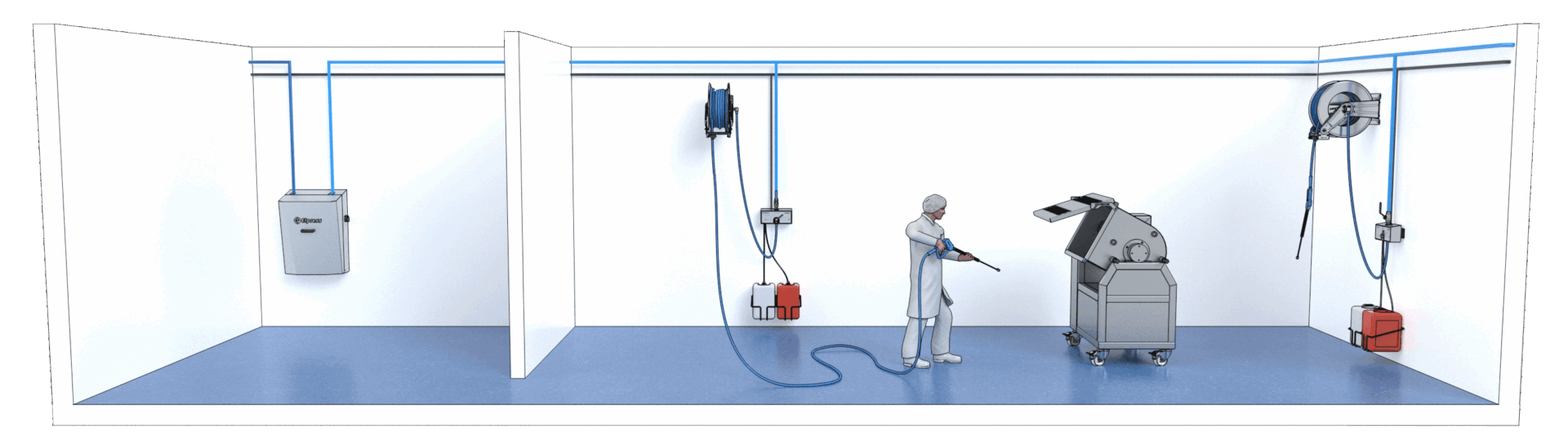
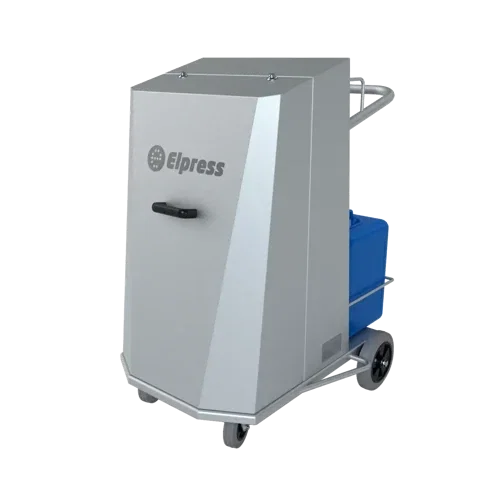
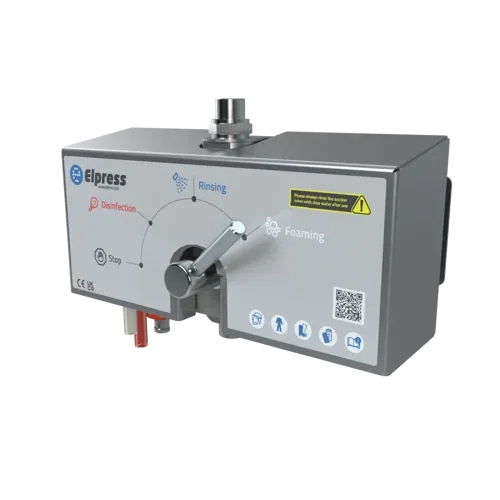
In the case of decentralised cleaning, the cleaning chemicals are available at every individual satellite. Water is supplied under pressure via a network of pipes. At the satellites, the necessary chemicals are added and used for rinsing, foam cleaning or disinfecting.
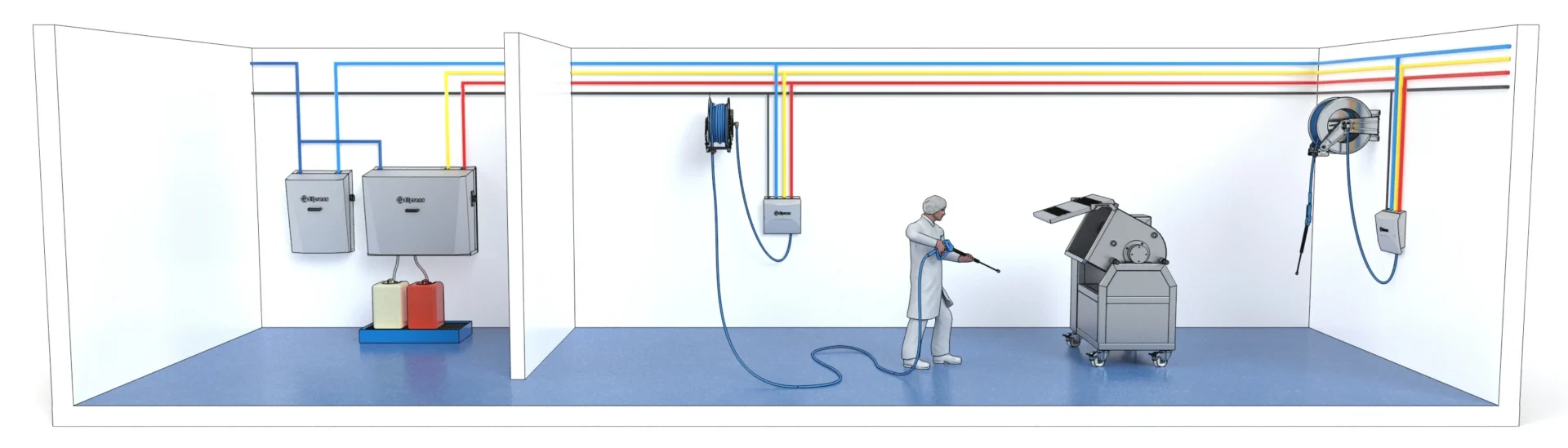
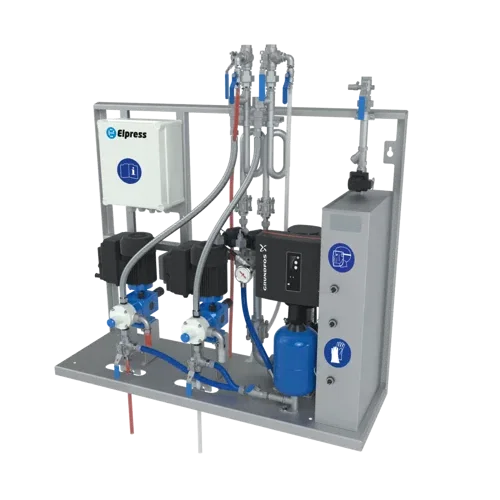
In the case of centralised cleaning, there is one central location where the chemicals are stored and where a foam and/or disinfection unit is installed. Pressurised water and pre-dosed cleaning agents are transported to the production areas via a network of pipes. In the production area, you can choose between rinsing, foaming or disinfecting via satellites.
Manual cleaning offers a combination of accuracy and adaptability. Manual cleaning is essential in many industrial environments, especially where small, delicate or hard-to-reach parts are present. Manual cleaning offers the following advantages:

Flexibility and control
Manual cleaning gives the user complete control over the cleaning process, making it especially suitable for cleaning machines and equipment with irregular shapes or hard-to-reach places. Manual cleaning can be flexibly adapted to the specific circumstances.
Suitable for small or specific cleaning requirements
Manual cleaning is ideal for companies with limited space or for carrying out specific or incidental cleaning tasks. In compact production environments and in the case of unique cleaning requirements, manual cleaning often provides an efficient and flexible solution. In situations where automation is not an option, manual cleaning offers a cost-efficient and practical solution for incidental or specialist cleaning.
Cost savings
Manual cleaning is a cost-efficient solution, especially for businesses with smaller production lines or a limited budget, as it requires less investment than automated cleaning systems. Operating costs are generally lower due to reduced maintenance requirements and lower consumption of energy and cleaning agents. Read more about our different cleaning systems by downloading the whitepaper below.
Get personalized advice from our experts, with no obligation.
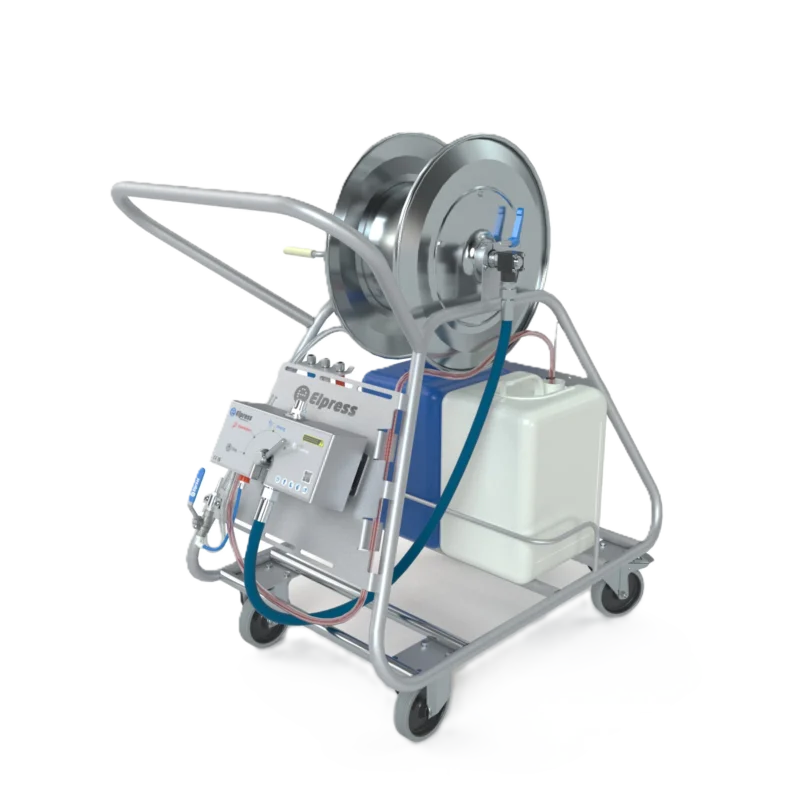
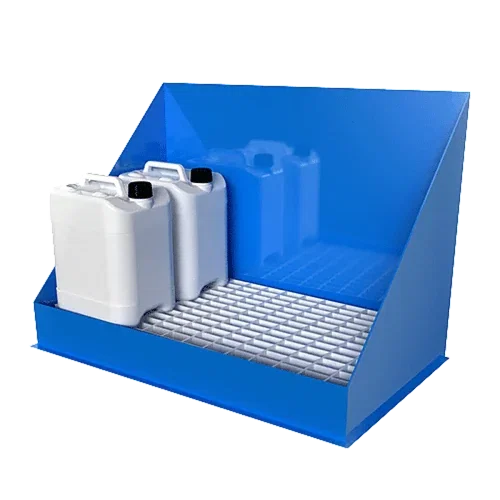
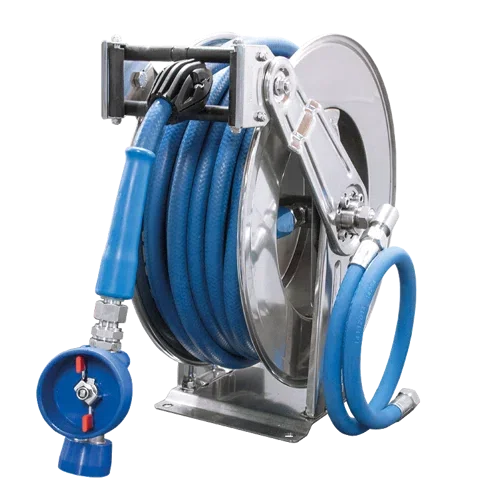
Manual cleaning plays an important role in various industries, where flexibility and precision are top priority. Despite the rise of automated cleaning systems, manual cleaning is still required in certain sectors. Each sector has its own cleaning requirements, and manual cleaning methods are often used in situations where accuracy, accessibility and specific hygiene requirements are important.
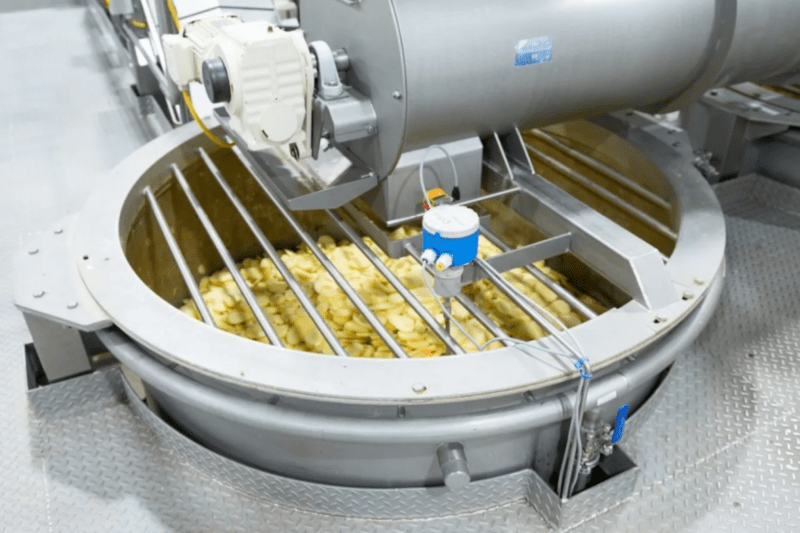



Sustainable and efficient Manual industrial cleaning not only optimises the cleaning processes, but also improves workers’ well-being. Innovative technologies such as advanced nozzles and ergonomically designed equipment make the cleaning process both more environmentally friendly and less stressful physically.
Nozzles and spray guns
These aids increase the precision and efficiency of manual cleaning by reducing the consumption of water and cleaning agents and delivering a targeted deep clean. These advanced aids not only help to lower the consumption of water and chemicals, but also improve general cleaning efficiency by accurately aiming the flow of cleaning agents.
Hose reels
Ergonomic aids such as hose reels make the cleaning process less stressful, which improves workers’ safety and comfort. Ergonomic hose reels prevent unnecessary physical strain on workers, allowing them to work more safely and comfortably during long cleaning tasks. Ergonomic hose reels prevent unnecessary physical strain on workers, allowing them to work more safely and comfortably during cleaning tasks.
Wout Spanjers Sales Manager Netherlands
Our expert, Wout, is on hand to provide you with personalised advice to help you make the right choices when it comes to hygiene.