 es
es  de
de  fr
fr  nl
nl  pl
pl 
Cleaning systems
Cleaning systems are essential for companies that operate in environments subject to strict hygiene and quality standards. A well implemented cleaning process not only helps to ensure product safety, but also contributes to the efficiency and service life of the equipment being used. Open the brochure or download the selection plan for more information.
What are cleaning systems?
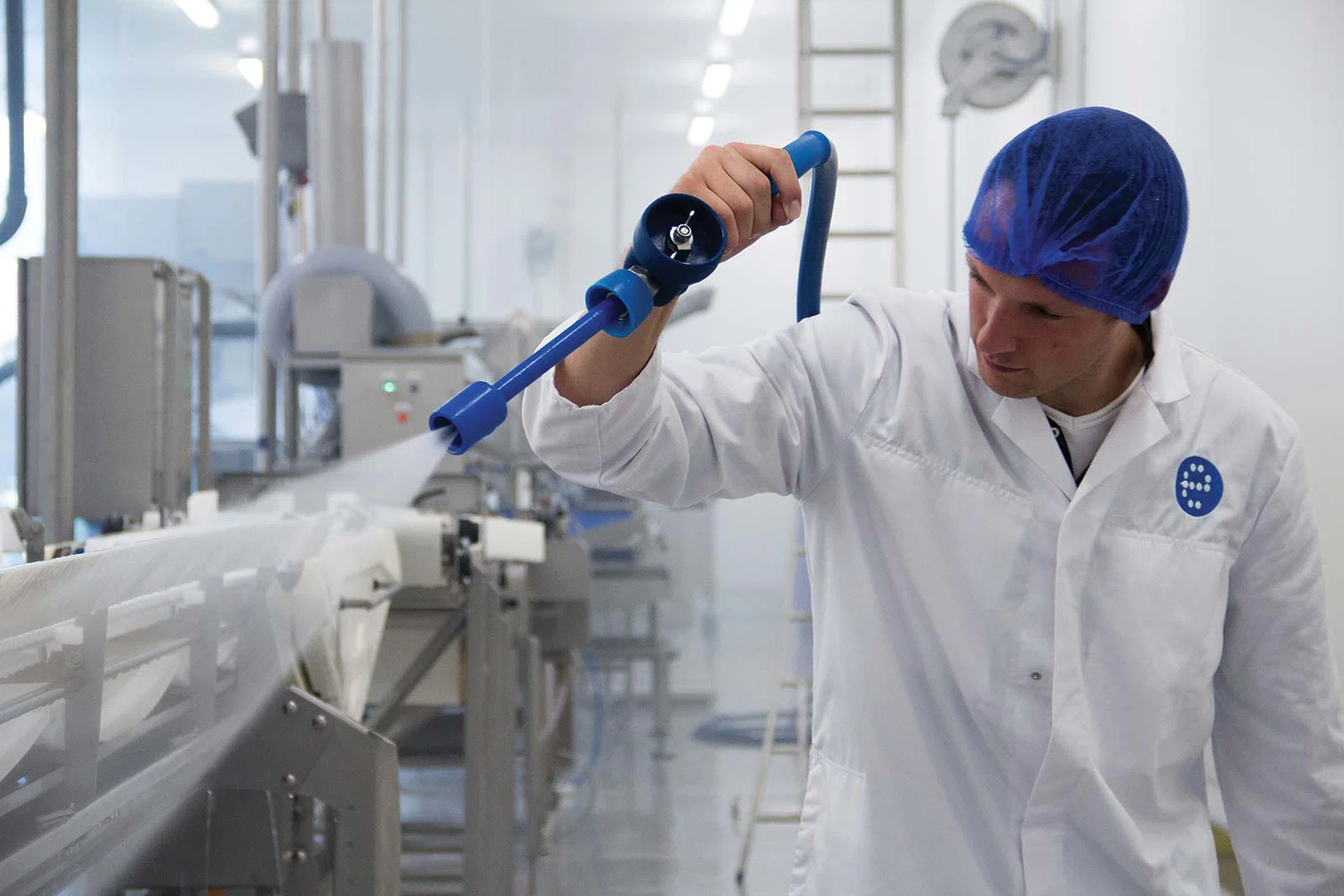
The term cleaning systems refers to the process involving the thorough cleaning and disinfection of production environments, equipment and infrastructure across a wide range of industries. The aim is to maintain a high level of hygiene and comply with strict regulations in the areas of food safety and production efficiency. Cleaning machines focus on removing dirt, bacteria and other contaminants that could compromise product quality and safety.
Cleaning methods
Manual cleaning
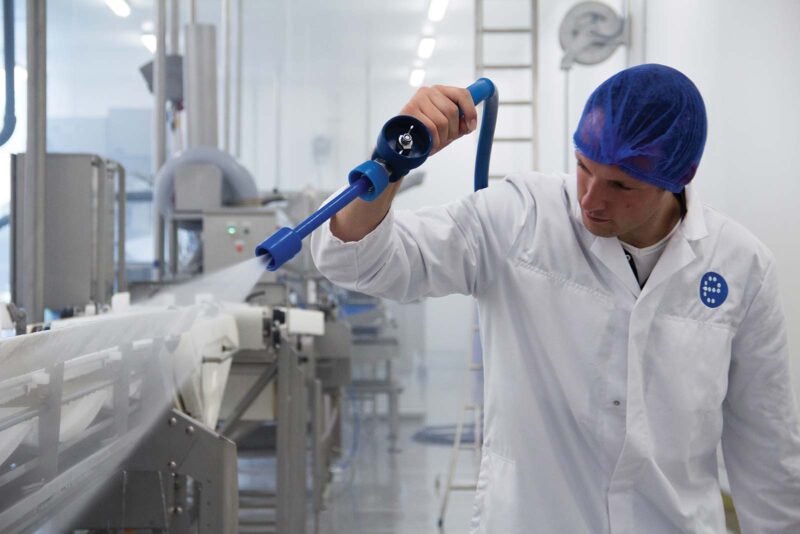
Manual cleaning is employed when particular care and attention are required, such as with intricate machinery or sensitive surfaces. Although more labour-intensive, manual cleaning enables targeted cleaning in areas that automatic systems may not be able to reach.
Automatic cleaning
Automatic cleaning systems offer consistency and efficiency, especially in large production facilities. They are often used for routine cleaning of large surfaces and equipment.
Mobile cleaning
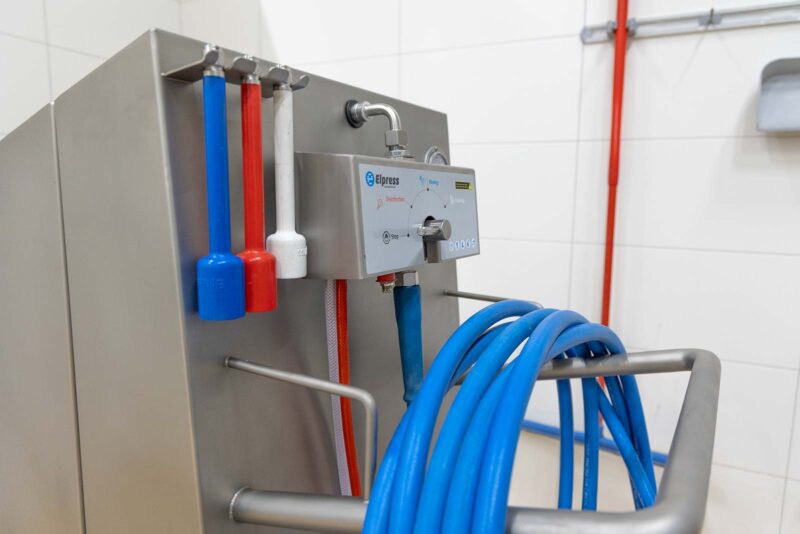
Mobile cleaning systems offer flexibility, especially for companies that are unable to install fixed cleaning systems. They are ideal for cleaning a wide variety of rooms and equipment.
The advantages of cleaning at low pressure

Suitable for the cleaning of sensitive and complex systems such as a electronic control units (PLCs) without the risk of damage.
Working with low pressure requires less physical effort from the user, which in turns makes the work less tiring.
Due to the lower power consumption, it is more energy efficient compared to high-pressure systems.
Produces less noise than high-pressure pumps, which leads to a more pleasant working environment.
Industrial cleaning in 3 steps
Industrial cleaning is often performed in three main steps
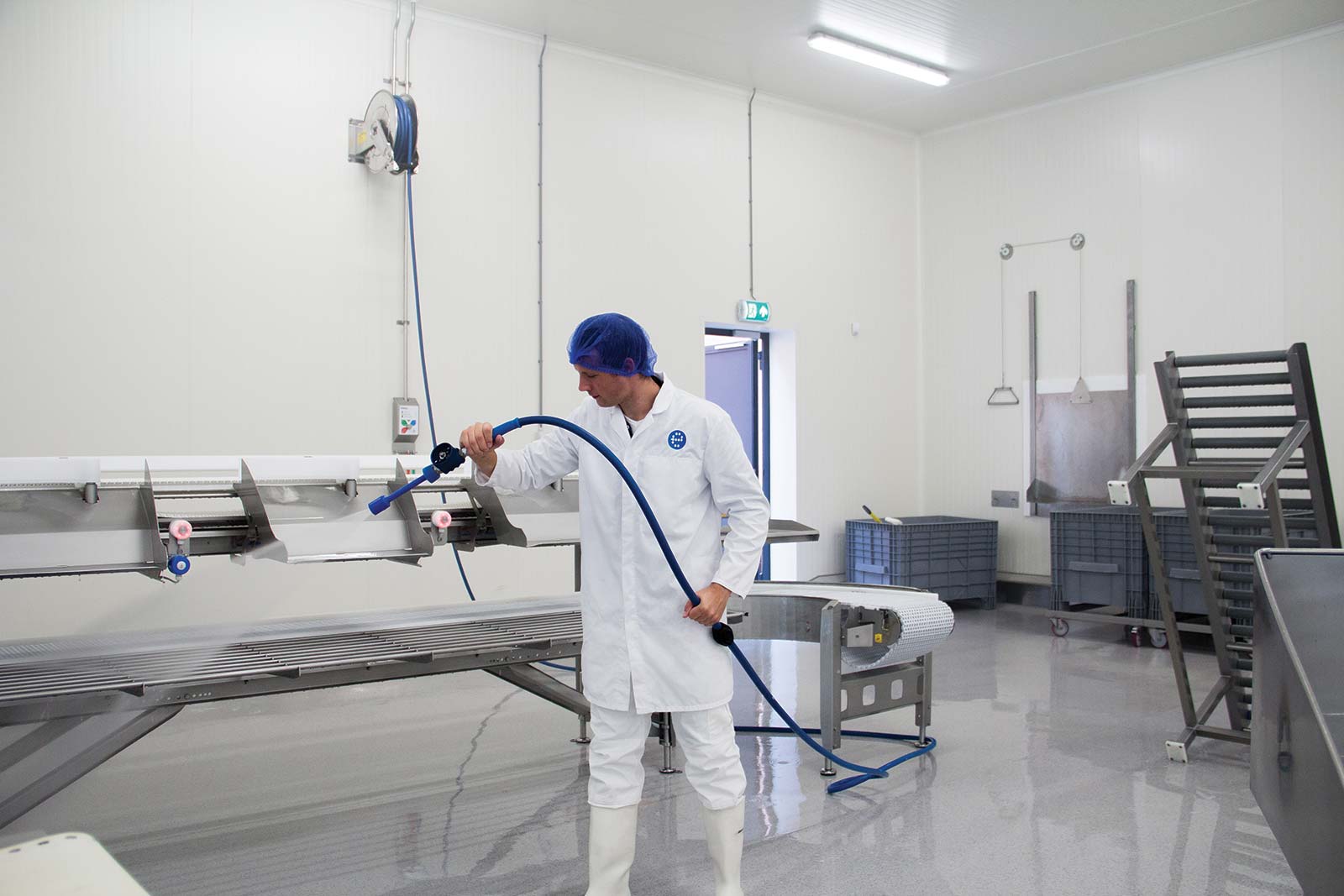
Rinsing
Rinsing is the first step in the cleaning process and involves the removal of loose dirt and dust from surfaces and equipment. Doing this makes the next steps in the process more efficient. It helps to prepare surfaces for deeper cleaning without the need for aggressive cleaning agents and creates a clean starting point for the rest of the process.Foam cleaning
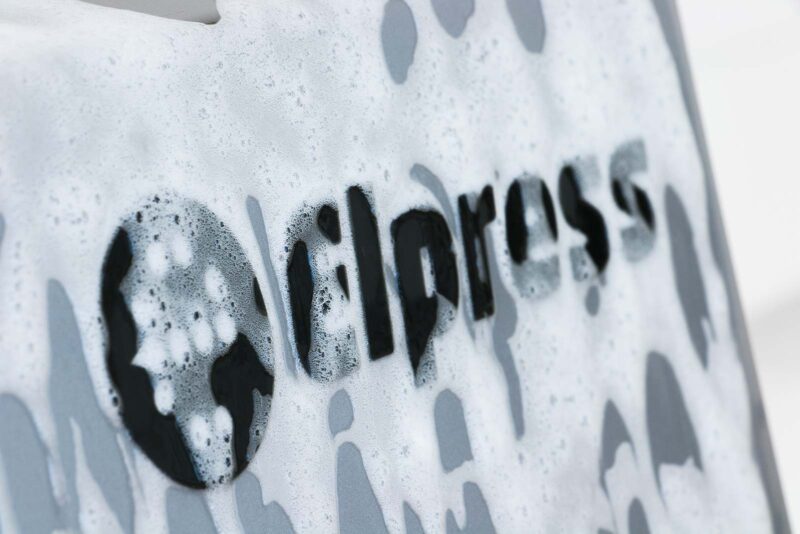
In this phase, a foam cleaner is applied to loosen stubborn dirt such as grease, proteins and bacteria. The foam ensures that the cleaning agent remains on the surface longer, resulting in intensive and thorough cleaning. Foam cleaning is ideal for removing organic residues such as grease and proteins, as the foam remains on the surface longer and is therefore more effective at loosening dirt. This ensures deeper cleaning, even in hard-to-reach places.
Disinfecting
The last step is disinfecting, in which chemicals are used to kill bacteria, viruses and other micro-organisms. This is crucial in sectors where hygiene is essential, such as the food industry and pharmaceutical production. Chemical disinfection is necessary to eliminate microorganisms such as bacteria and viruses. This is critically important in environments such as the food industry and the pharmaceutical sector, where absolute hygiene is essential to prevent contamination.
Low-pressure cleaning systems are the most commonly used
Cleaning machines are often operated at low pressure because this is an effective way to remove dirt without damaging sensitive surfaces. Low-pressure cleaning is also a sustainable choice. Additionally, low pressure is frequently combined with foam cleaning, as it enables deeper cleaning without any of the associated risks. Want to know everything about cleaning systems and the possibilities they offer? Our whitepaper contains all the information in a single place.
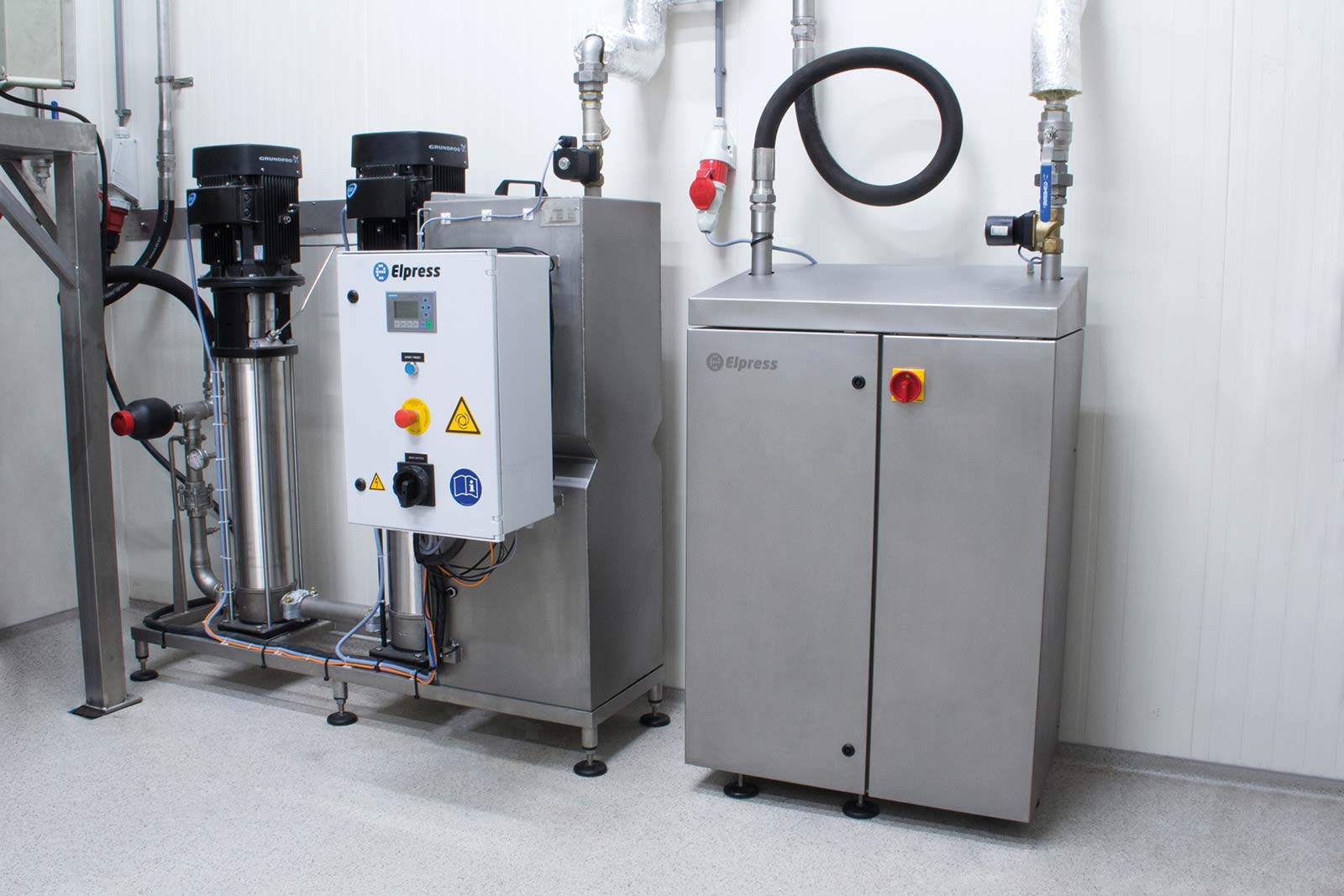
Centralised cleaning vs. decentralised cleaning
Centralised cleaning makes use of a single centralised system for cleaning several production areas, while decentralised cleaning involves the use of separate systems for specific areas. Both methods have their pros and cons, depending on the existing infrastructure and the specific cleaning needs of the business.
Centralised cleaning can be cost-effective for large companies with a lot of cleaning points, while decentralised cleaning offers greater flexibility for smaller or more specialised cleaning processes. When deciding which of these two methods to use, remember to take your company’s infrastructure and your specific cleaning needs into account.
Pros and cons
Centralised cleaning can be cost-effective for large companies, while decentralised cleaning offers greater flexibility for smaller or more specialised operations.
Existing building / new building
The choice between centralised and decentralised cleaning can also depend on the age of the business premises. Centralised cleaning can be integrated into a new buildings more easily, while decentralised cleaning might be more practical in existing buildings.
Cleaning systems with a combination of high and low pressure
The pressure inside a cleaning machine can vary from low (e.g. 10-30 bar) to high (>60 bar), depending on what has to be cleaned. The choice of operating pressure depends on the kind of dirt, the surfaces to be cleaned and the desired result. Low pressure is often preferred for surfaces that are susceptible to damage, while high pressure is used to remove stubborn dirt. This combination offers flexibility and ensures that the cleaning is both effective and safe.
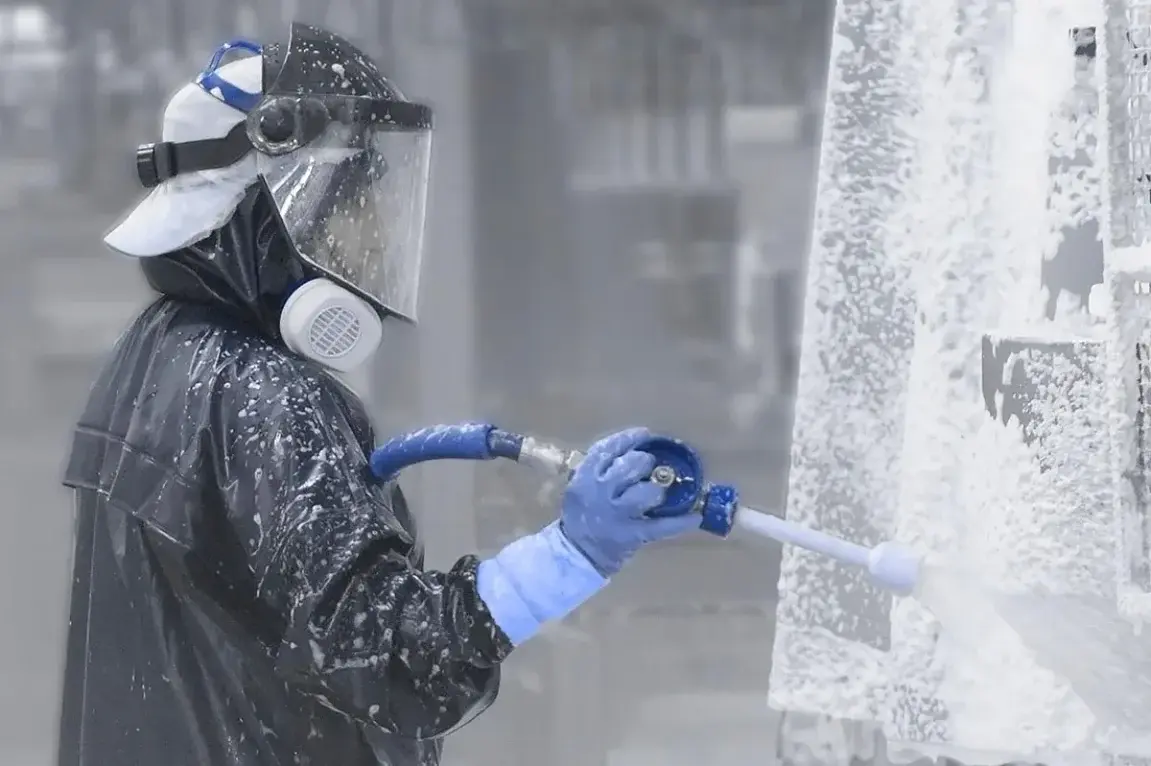
When to clean using low pressure?
Low-pressure cleaning is used in situations requiring gentle but effective cleaning, for example when cleaning surfaces that are susceptible to damage or are only lightly soiled. Examples of low-pressure cleaning:
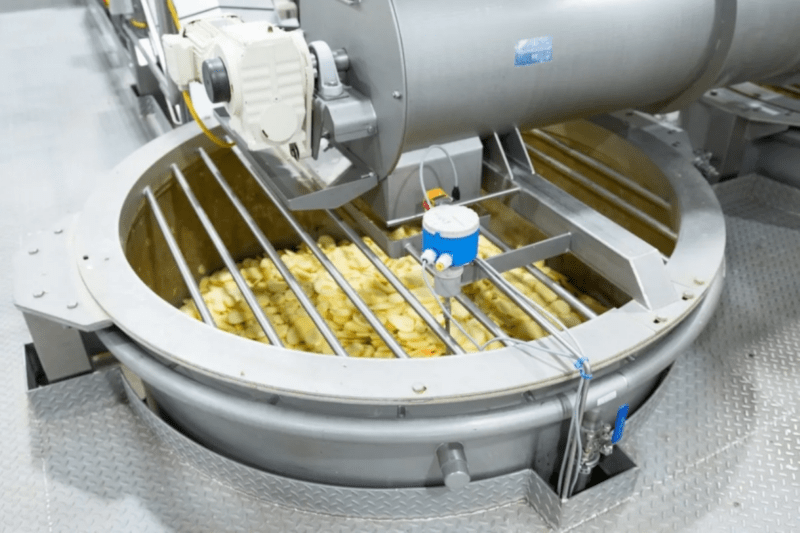
Food Industry

Poultry Industry
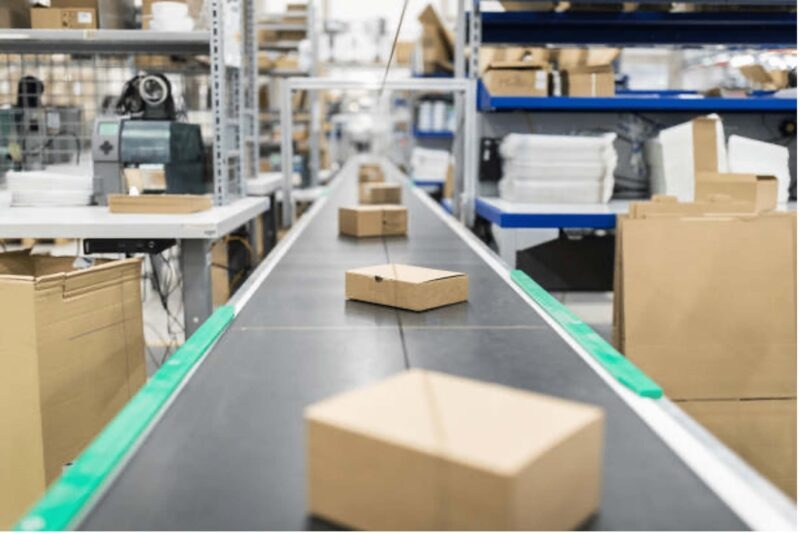
Non-Food
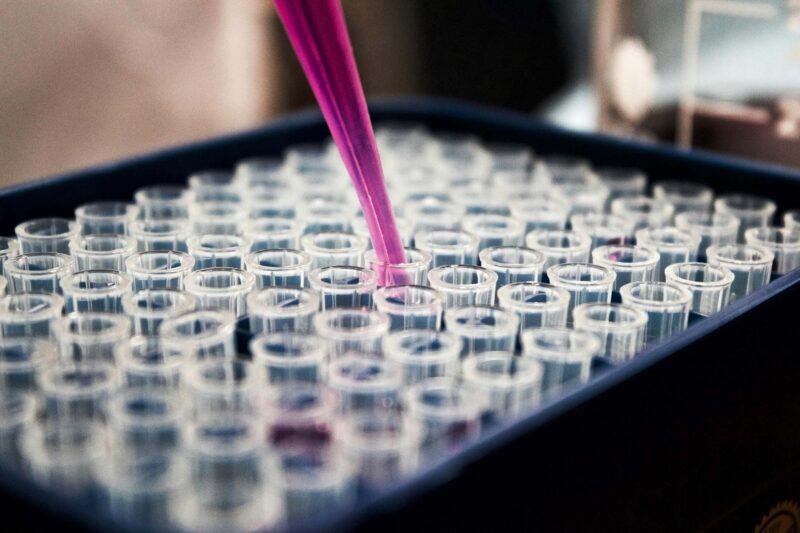
Pharmaceuticals

Horticulture
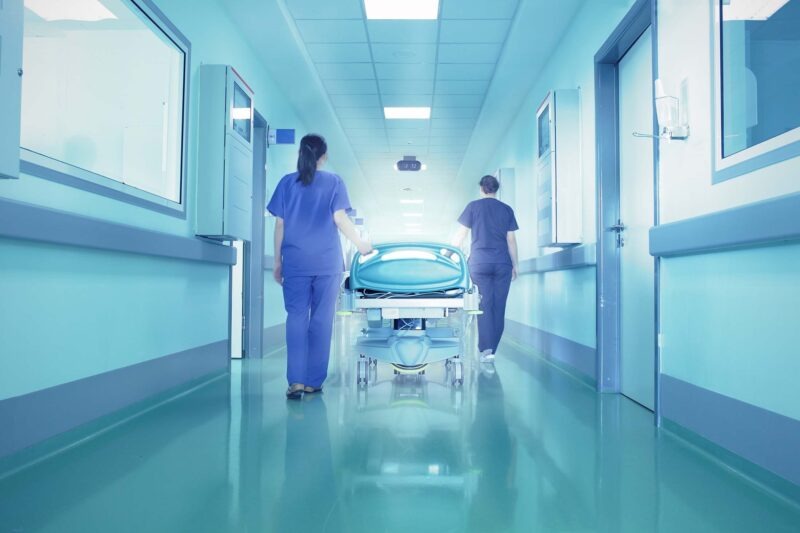
Healthcare
Is high-pressure cleaning suitable for the food industry?
Although high-pressure cleaning (>60 bar) appears to be effective for removing stubborn dirt, it is often not recommended in production environments with open food processing. This is because the use of high pressure entails two major risks
Formation of aerosols
At high pressure, the water rebounds from the surface with great force. This creates water mist (aerosols) that disperses dirt particles and bacteria through the air. These can settle on already cleaned surfaces, leading to cross-contamination and listeria risks.
Damage to equipmentThe impact of a high-pressure jet can damage vulnerable components such as sensors, gaskets, and control boxes, leading to unnecessary malfunctions and maintenance costs.
Frequently asked questions
Below are some frequently asked questions about cleaning systems.
Consider times per function (rinsing, foaming, rinsing, disinfecting), component service life, and deviations in patterns or consumption. This allows you to see where the process deviates from the desired method.
When you purchase eCloud, data can be stored and analyzed. This gives you insight into usage, times, deviations, and trends over a longer period, which helps you make more targeted adjustments and substantiate improvements.
eCloud can be used with cleaning systems, hygienic entrances, and industrial washing systems.
Yes. When downtime, deviating patterns, or sudden changes become apparent, this can be a signal to schedule maintenance or investigate a technical problem (e.g., components that are performing differently).
Waste occurs mainly at times when the cleaning process is not visible or measurable. This often happens outside of production time, when there is no supervision and deviations are not immediately noticed. Examples include unnecessarily long rinsing times, incorrect use of chemicals, or cleaning without a nozzle.
In addition to higher water and chemical costs, energy costs and maintenance also play a role. Hot water, pumps, and installations run longer than necessary, and wear and tear on hoses, couplings, and components increases more quickly.
By setting limits for water and chemical consumption, applying time limits, and activating blockages in the event of incorrect use. This allows the system to intervene when consumption is out of line, without the need for manual control.
In some situations, eCloud can also provide insight into data from other hygiene systems, such as hygienic entrances or washing systems. What is possible depends on your installation and the chosen configuration.
A traditional satellite supplies water and chemicals, but does not measure or record anything. An intelligent satellite measures usage, can set limits, and communicates data to a central system.
No. It is precisely in environments with multiple consumption points or changing shifts that they provide insight and control that would otherwise be lacking.
In some cases, this is possible. It depends on the current installation and the desired functionality.
They provide insight into usage and consumption per point, allowing you to better explain how processes work and where deviations are monitored.
No. RFID is optional and is mainly used when traceability or role-based use is desired.
An analysis of the current system, clear agreements on rights, and instruction of employees. This is followed by optimization based on data.
Start with insight: where is the most consumption, where do errors occur, and where is control lacking? From there, you can determine which functions and configuration are appropriate.